Learn the 5 main steps in the FF&E installation process

A beautifully designed space is only as good as its execution—and that’s where FF&E installation plays a crucial role. FF&E installation is the final step in realizing an interior design vision. It ensures all furniture, lighting, and decor are properly placed, functional, and of high quality.

To ensure a smooth FF&E installation, plan, coordinate, and use experts. Without them, projects may face delays, budget overruns, and quality issues. These can disrupt the final outcome.

What is FF&E installation in interior design?

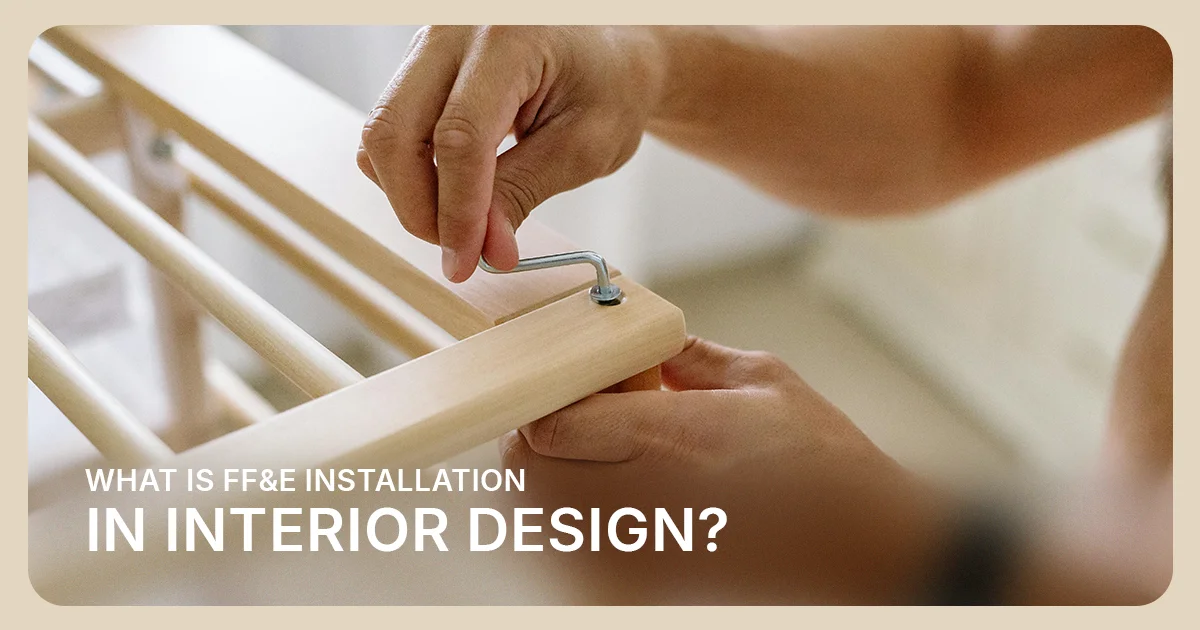
FF&E installation is the final stage of an interior design project. It involves delivering, assembling, and placing all furniture and equipment in a space. It is the process of transforming a design concept into a functional and visually appealing reality.

Examples of FF&E installation:

  • Hotels: Custom beds, lobby furniture, and lights.
  • Offices: Build ergonomic chairs. Install workstations. Set up conference room tables.
  • Retail Stores: Set up displays, install checkout counters, and arrange shelving.

Why is FF&E installation important in a project?
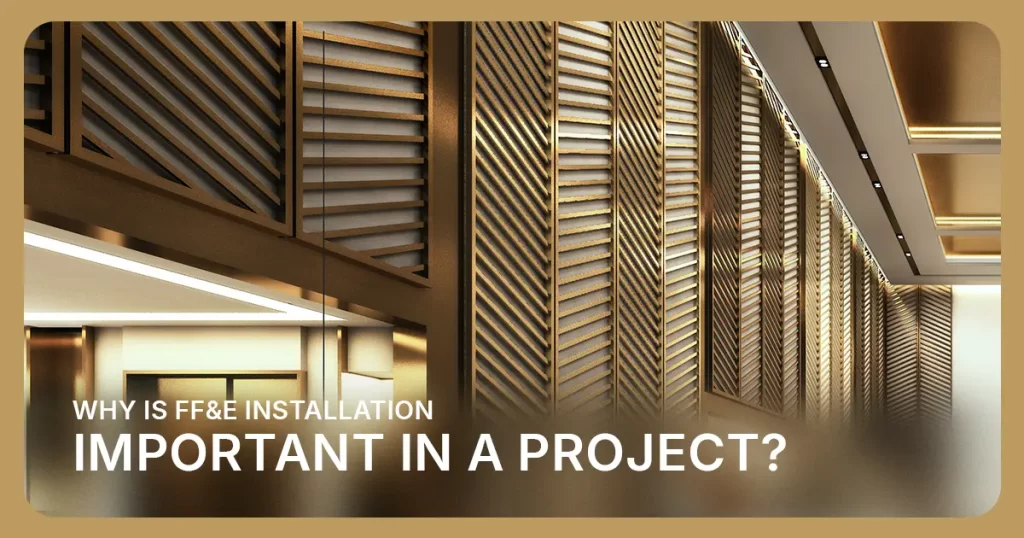
FF&E installation process

FF&E installation is more than placing furniture. It is a key phase. It affects the project’s success, function, and look.

1. Brings the Design Concept to Life

  • A well-planned design means nothing if it isn’t executed properly. FF&E installation ensures everything matches the designer’s vision and the client’s needs.

2. Enhances functionality and comfort.

Proper installation ensures that furniture and equipment is usable, accessible, and efficient.

  • Hotel room furniture must allow for easy guest movement.
  • Workstations must be ergonomic to ensure employees’ well-being.

3. Prevent Costly Mistakes and Rework

Incorrect installation can lead to:

  • Damaged furniture is a result of poor handling.
  • Non-functional lighting if the wiring is done incorrectly.
  •  Delays due to incorrect placements require adjustments.
  • A clear installation process prevents costly errors.

What steps are involved in the FF&E installation process?

Step 1: Pre-Installation Planning

  • Reviewing the design blueprint and FF&E specs.
  • Scheduling deliveries and installations to prevent conflicts.
  • Inspecting sites to ensure they are ready for installation.

Step 2: Delivery and Inventory Check

  • Receiving and inspecting all FF&E items upon arrival.
  • Checking that items fit the approved specs and design plan.
  • Checking for any damaged or missing pieces.

Step 3: Assembly and Positioning
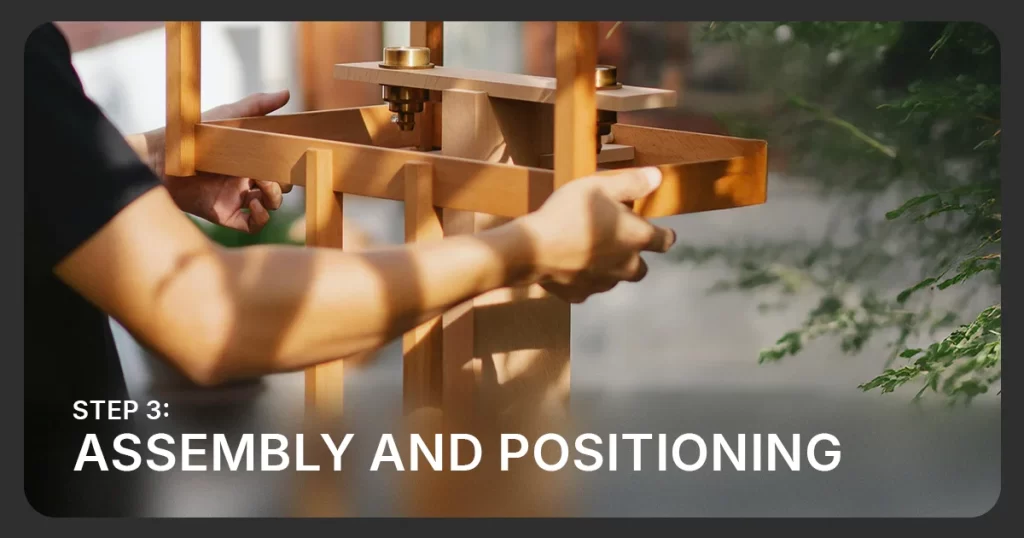
FF&E installation process

  • Unpacking and assembling furniture, fixtures, and equipment.
  • Check placement and alignment according to the layout plan.
  • Securing installations, like anchoring heavy furniture for safety.

Step 4: Electrical and Mechanical Integration

  • Connecting lighting fixtures, appliances, and smart technology.
  • Testing power outlets, networks, and automated systems.
  • Ensuring compliance with safety codes.

Step 5: Final Quality Check and Cleaning

  • Inspecting installations for alignment, stability, and finishing details.
  • Walkthrough with designers and project managers.
  • Cleaning the site and preparing for the final client handover.

How do you ensure a smooth FF&E installation?

  1. Early Coordination: Work with vendors, contractors, and designers to avoid conflicts.
  2. Clear Scheduling: Set delivery and installation timelines. Make them realistic.
  3. Quality Assurance Checks: Inspect all FF&E items before installation. This avoids last-minute issues.
  4. Hiring Skilled Installers: Use experts for delicate, complex jobs.

A good plan cuts risks and speeds up project work.

Who is responsible for FF&E installation in a project?

Key Players in the FF&E Installation Process:

  1. FF&E Installers: Assemble and set up furniture and equipment.
  2. Interior Designers: Oversee installation for design consistency.
  3. Project Managers: Oversee timelines, budgets, and coordination.
  4. General Contractors: They help with on-site logistics and compliance.
  5. Electrical & IT Techs: Install and test smart systems and devices.

What challenges can arise during FF&E installation?
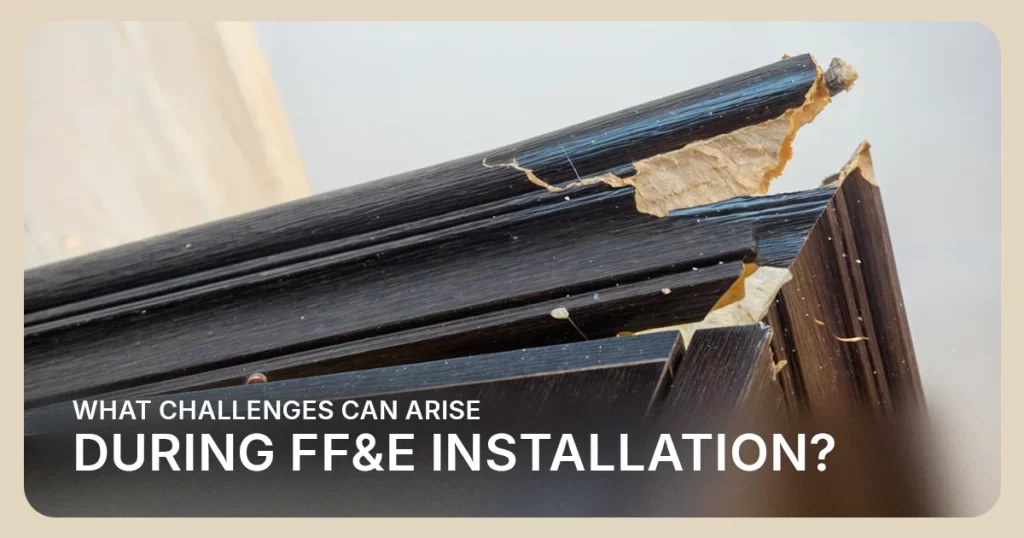
FF&E installation process

  • Delivery Delays: Supply chain issues can slow down the process.
  • Incorrect Dimensions: Items may not fit, causing layout changes.
  • Damage During Transit: Poor packaging can lead to broken items.
  • Last-Minute Design Changes: Changes can delay installations.

✔ Solution: Use project tracking software. Also, do pre-installation site checks to reduce problems.

What tools and equipment are used during FF&E installation?

  • Basic Tools: Screwdrivers, drills, hammers, levels.
  • Measurement Tools: Laser distance meters and tape measures.
  • Electrical & Networking Tools: Voltage testers, cable crimpers.
  • Lifting & Moving Equipment: Hand trucks and lifting straps for heavy furniture.

How does FF&E installation affect project timelines?

If installation is delayed, the entire project timeline is affected. Late installation means:

  • Postponed opening dates for hotels and offices.
  • Higher labor costs are due to extended work periods.
  • Customer dissatisfaction if spaces aren’t ready on time.

Solution: Set a realistic installation schedule and coordinate deliveries.

How can FF&E installation be quality controlled?

FF&E installation process

  1. Pre-Delivery Inspections: Check items before shipment. This avoids defects.
  2. On-Site Supervision: Verify that installers follow layout plans.
  3. Testing & Final Walkthroughs: Confirm that everything is installed correctly and functions properly.
  4. Client Sign-Off: Confirm that the setup meets design and safety standards.

Conclusion

FF&E installation is the final and most crucial step in bringing an interior design project to life. When managed efficiently, it enhances not just aesthetics but also functionality and overall user experience. Every detail matters, from procurement to placement, ensuring that the space meets both design expectations and operational needs.

This is where Golden Hospitality Solutions (GHS) makes a difference. As a leading expert in FF&E and OS&E procurement, GHS simplifies installation for hotels, restaurants, and corporate spaces. Their expertise shines through in prestigious projects like La Cordia Hotel Chain, showcasing their ability to deliver comprehensive consultancy and effective solutions that perfectly balance design, quality, and cost.

By using clear processes and quality checks, project teams can create impressive interiors. Working with a reliable partner like GHS helps manage logistics well. This way, their designs will last. A well-executed FF&E installation isn’t just about beauty—it’s the key to long-term success.

FAQ

1. How long does FF&E installation take?

Typically, it takes a few days to several weeks, depending on the project’s size and complexity.

2. What is the biggest challenge in FF&E installation?

Delivery delays, wrong product sizes, and coordination issues.

3. How can I ensure a flawless FF&E installation?

Use experienced installers and quality inspections. Also, use project-tracking tools.
Best Tools for Efficient FF&E and OS&E Management

FF&E (Furniture, Fixtures, and Equipment) and OS&E (Operating Supplies and Equipment) are vital. This is true for any design, construction, or hospitality project. Procurement, budgeting, installation, and maintenance require careful planning and coordination.

But, with the right tools and strategies, you can succeed. They can help you streamline the process and overcome challenges.

This blog will explore the best tools for managing FF&E and OS&E. We’ll also discuss how to incorporate sustainability. Finally, we’ll cover why these elements are vital to project planning. We’ll also answer key questions, like: Which industries use FF&E and OS&E? How does budgeting differ for them? What challenges arise during procurement?

Why are FF&E and OS&E important in project planning?

FF&E and OS&E are the building blocks of functional and aesthetically pleasing spaces. Here’s why they matter:

  1. Functionality: FF&E ensures that a space is usable and comfortable, while OS&E supports daily operations.
  2. Aesthetic Appeal: FF&E defines the look and feel of a space, creating a cohesive design.
  3. User Experience: High-quality FF&E and OS&E enhance comfort and satisfaction for occupants.
  4. Compliance: The selected FF&E and OS&E meet safety, sustainability, and regulatory standards.
  5. Budget Control: Effective management of FF&E and OS&E helps control costs and avoid overspending.

What tools are commonly used for FF&E and OS&E management?

FF&E and OS&E Management

Managing FF&E and OS&E efficiently requires the right tools. Here are some of the top tools used in the industry:
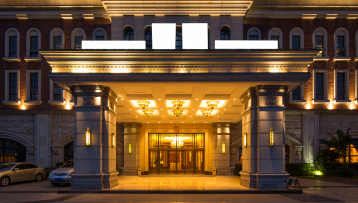
  1. Project Management Software:
    • Tools like Procore, Asana, and Trello help track tasks, deadlines, and budgets for FF&E and OS&E.
    • These platforms allow designers, contractors, and suppliers to work together.
  2. Inventory Management Systems:
    • Software like Sortly and Zoho Inventory helps track FF&E and OS&E items, ensuring that nothing is lost or misplaced.
    • These systems are great for big projects with thousands of items.
  3. Procurement Platforms:
    • Platforms like ProcurePort and SAP Ariba streamline the sourcing and purchasing of FF&E and OS&E.
    • They provide access to a network of suppliers and simplify contract management.
  4. 3D Design Tools:
    • Tools like SketchUp and AutoCAD allow designers to visualize FF&E placement and ensure it fits the space.
    • These tools prevent costly errors in installation.
  5. Budgeting Software:
    • Tools like QuickBooks and PlanGuru help manage budgets for FF&E and OS&E, ensuring that costs stay on track.
    • They provide real-time insights on spending and forecasts.
  6. Sustainability Tools:
    • Platforms like Tally and One Click LCA help assess the environmental impact of FF&E and OS&E choices.
    • These tools support sustainable procurement and design choices.

How can sustainability be incorporated into FF&E and OS&E?

Sustainability is no longer optional—it’s a necessity. Here’s how to incorporate it into FF&E and OS&E:

  1. Eco-Friendly Materials: Use FF&E made from sustainable materials. Choose reclaimed wood, recycled metal, or low-VOC finishes.
  2. Energy Efficiency: Use energy-efficient lights and equipment. They save energy.
  3. Durability: Choose durable, high-quality items. They reduce waste and replacement costs.
  4. Local Sourcing: Source FF&E and OS&E locally to reduce carbon emissions from transportation.
  5. Certifications: Choose products with certifications like FSC or GREENGUARD.

What challenges arise with FF&E and OS&E procurement?

FF&E and OS&E Management

Procuring FF&E and OS&E can be complex and challenging. Common issues include:

  1. Budget overruns: Unexpected costs can arise from price changes or custom requests.
  2. Lead Times: Delays in manufacturing or shipping can disrupt projects.
  3. Quality Control: It’s hard to ensure all items meet the required standards.
  4. Coordination: Managing multiple suppliers requires careful planning for timely delivery and installation.
  5. Sustainability: It’s hard to find eco-friendly options that fit my budget and design needs.

How does budgeting differ for FF&E and OS&E?

Budgeting for FF&E and OS&E requires different approaches.

  • FF&E: These items are typically capitalized and depreciated over time. Budgeting means buying high-quality, durable items ahead of time.
  • OS&E: These are consumable items that are expensed and replaced regularly. Budgeting involves recurring costs and inventory management.

How are FF&E and OS&E managed in projects?

FF&E and OS&E Management

Managing FF&E and OS&E involves several key steps:

  1. Planning: Define the project’s needs and create detailed specs.
  2. Procurement: Find trustworthy suppliers and negotiate contracts.
  3. Logistics: Set delivery schedules to match the project timeline.
  4. Installation: Oversee the setup of FF&E and ensure it meets design and quality standards.
  5. Maintenance: Establish a plan for the ongoing care and replacement of FF&E and OS&E.

What industries use FF&E and OS&E?

FF&E and OS&E are used across a wide range of industries, including:

  1. Hospitality: Hotels, resorts, and restaurants rely on FF&E for guest comfort and OS&E for daily operations.
  2. Healthcare: Hospitals and clinics use FF&E for patient care and OS&E for medical supplies.
  3. Retail: Stores use FF&E for displays and fixtures and OS&E for packaging and cleaning.
  4. Corporate: Offices use FF&E for workspaces and OS&E for office supplies.
  5. Education: Schools and universities use FF&E for classrooms and OS&E for teaching materials.

Conclusion

Managing FF&E and OS&E efficiently is key to the success of any project. From procurement to installation, every step requires careful planning, budgeting, and execution. Choosing the right partners and tools makes all the difference, especially when balancing cost, quality, and sustainability.

This is where Golden Hospitality Solutions (GHS) stands out as a trusted expert in the industry. Specializing in FF&E and OS&E procurement, GHS helps businesses in hospitality, healthcare, retail, and corporate design create functional, beautiful, and cost-effective spaces. Their work on landmark projects like the Cordia Hotel Chain showcases their ability to deliver world-class solutions while ensuring compliance with industry standards.

By understanding the value of FF&E and OS&E—and partnering with experts like GHS—you can transform spaces into sustainable, high-quality environments that enhance user experience. Whether in hospitality or corporate design, mastering FF&E and OS&E management will set your projects apart and drive long-term success.

FAQ

What are the biggest challenges in FF&E and OS&E procurement?

Common challenges include budget overruns, supplier delays, quality control issues, and managing multiple vendors. Careful planning, supplier coordination, and expert procurement strategies can help overcome these obstacles.

How can businesses effectively manage FF&E and OS&E budgets?

To manage budgets effectively, businesses should separate capital expenditures (FF&E) from operational expenses (OS&E), negotiate supplier contracts, track inventory, and use budgeting software for real-time cost monitoring and forecasting.

Solving Top FF&E Procurement Challenges for Projects

In architecture, interior design, and real estate, FF&E is vital. It brings spaces to life. FF&E stands for Furniture, Fixtures, and Equipment. FF&E defines a space’s function and beauty. This applies to luxury hotels, corporate offices, and villas.

But how does FF&E contribute to a project’s success? What are the biggest procurement challenges? And what is the role of an FF&E designer in managing it all?

If you’re in real estate, design, or hospitality, this guide will help you manage FF&E.

What is FF&E, and why is it important in interior design?

FF&E (Furniture, Fixtures & Equipment) is movable items in a space. They provide comfort and aesthetics but are not part of the building’s structure.

What items are included in FF&E?

  • Furniture: Sofas, chairs, beds, tables, wardrobes.
  • Fixtures: Light fixtures, cabinets, blinds, and mirrors.

Equipment includes:

  • Kitchen appliances
  • IT hardware
  • Projectors
  • Security systems

In a five-star hotel, FF&E includes:

  • Designer furniture
  • Custom lighting
  • Digital keycard systems

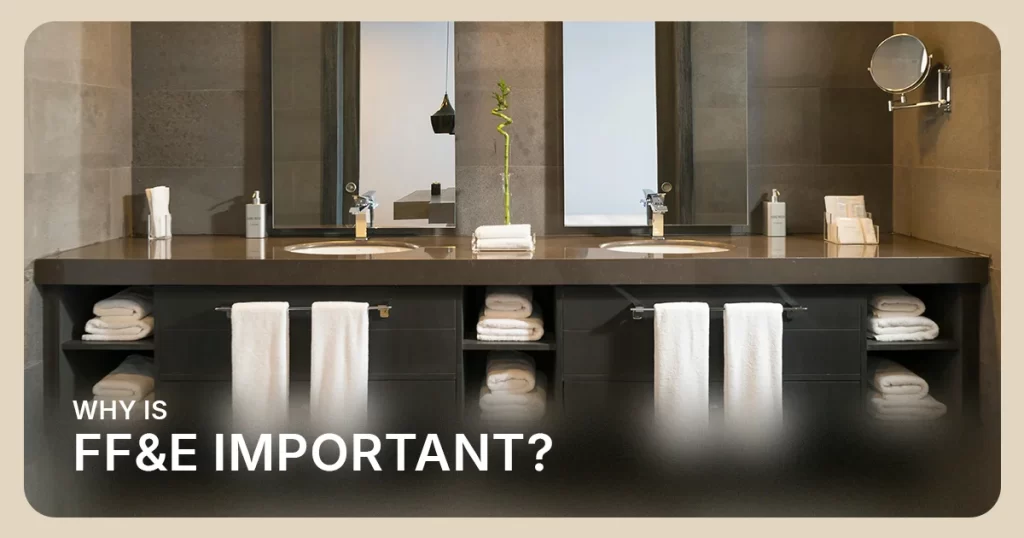
Why is FF&E important?

FF&E Procurement Challenges

    1. Defines the functionality:  It provides seating, storage, and usability.
    2. Enhances Aesthetics: It creates a stylish, welcoming space.
    3. Increases Property Value:  Quality FF&E makes spaces more valuable and marketable.
    4. Supports Branding:  Custom furniture and fixtures reflect a brand’s identity.
    5. Supports Sustainability: Using eco-friendly materials cuts the carbon footprint of a space.

How Does FF&E Contribute to a project’s Success?

Key Ways FF&E Ensures Project Success

  •  Aesthetic Appeal & Guest Experience: A well-furnished space is inviting, cozy, and functional.
  • Efficiency: The right equipment keeps the business running smoothly.
  •  Durability & Compliance: FF&E must meet fire safety and durability standards and be sustainable.
  •  Budget & Cost Control: Smart FF&E buying prevents overspending.
  •  Brand Consistency: FF&E maintains a consistent design in restaurants, hotels, and offices.

What Does an FF&E Designer Do?

An FF&E (Furniture, Fixtures & Equipment) designer is responsible for selecting, sourcing, and arranging all furniture, fixtures, and equipment for a project, ensuring both aesthetics and functionality align with the overall design vision. Their role includes:

  • Creative Vision & Concept Development – Ensuring FF&E selections complement the project’s theme, branding, and style.
  • Procurement & Vendor Coordination – Sourcing high-quality, cost-effective products while managing vendor relationships.
  • Compliance & Safety Checks – Verifying that all FF&E items meet fire, durability, and environmental standards.
  • Budgeting & Cost Control – Preventing overspending by negotiating prices and maintaining financial oversight.
  • Installation & Final Styling – Overseeing the delivery, placement, and final setup of all FF&E elements.

FF&E Procurement Challenges and Solutions

FF&E procurement is a critical yet complex aspect of real estate and interior design. Common challenges include supply chain delays, budget constraints, and unexpected logistical issues. To overcome these, designers must develop strategic sourcing plans, maintain strong supplier relationships, and implement contingency budgets to ensure smooth project execution.

Top FF&E Procurement Challenges and Solutions

Budget Overruns 

  • Challenge: High-quality furniture and imported fixtures can exceed budget limits.
  • Solution: Plan early, negotiate bulk discounts, and explore local suppliers for cost-effective options.

Supply Chain and Shipping Delays 

  • Challenge: Global supply chain issues can cause delivery delays.
  • Solution: Order in advance, work with reliable suppliers, and have backup vendors.

Compliance & Safety Regulations

  • Challenge: Fire safety, environmental laws, and durability standards must be met.
  • Solution: Ensure all items have certifications such as LEED, SASO (Saudi Standards), and Civil Defense approval.

Quality Control Issues

  • Challenge: Some items arrive damaged or do not match specifications.
  • Solution: Conduct on-site inspections and detailed vendor agreements to ensure replacements if needed.

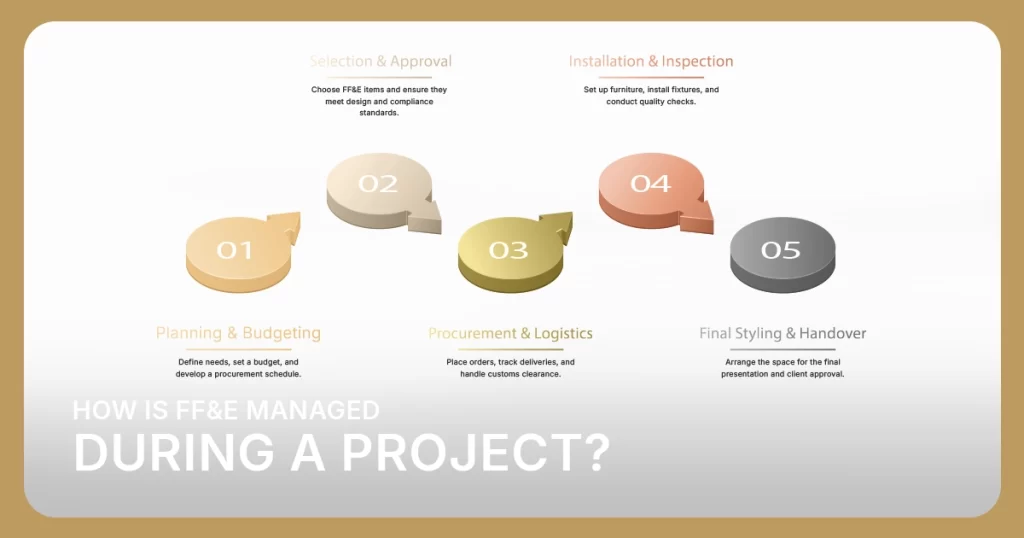
How is FF&E managed during a project?

FF&E Procurement Challenges

FF&E management ensures that all furniture, fixtures, and equipment is delivered, installed, and tested on time.

Step-by-Step FF&E Project Management

  • Planning & Budgeting: Define needs, set a budget, and develop a procurement schedule.
  •  Selection & Approval: Choose FF&E items and ensure they meet design and compliance standards.
  •  Procurement & Logistics: Place orders, track deliveries, and handle customs clearance.
  • Installation & Inspection: Set up furniture, install fixtures, and conduct quality checks.
  •  Final Styling & Handover: Arrange the space for the final presentation and client approval.

How does FF&E differ from OS&E?

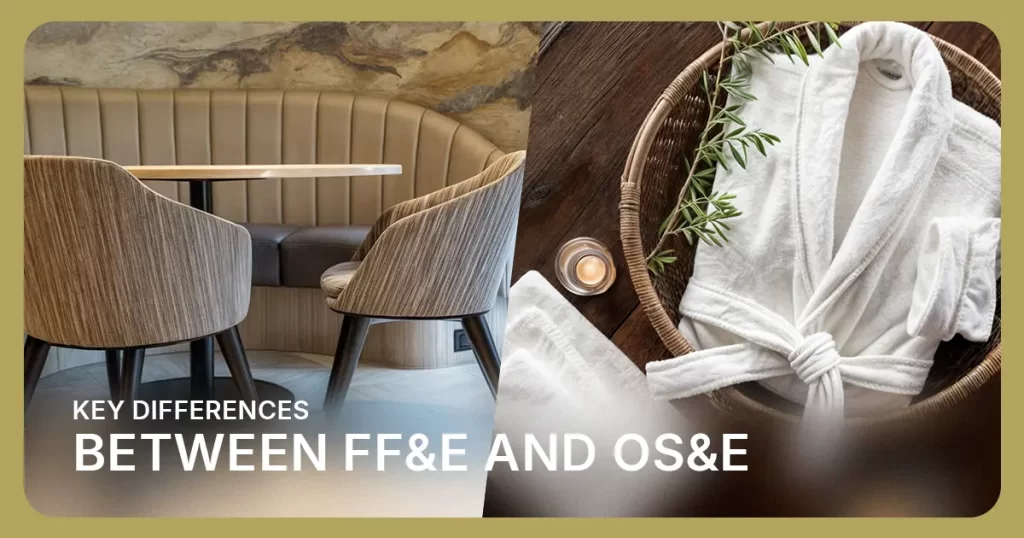
While FF&E covers furniture, fixtures, and equipment, OS&E (Operating Supplies & Equipment) refers to daily-use items that support operations.

Key Differences Between FF&E and OS&E

FF&E Procurement Challenges

Understanding the distinction between FF&E (Furniture, Fixtures & Equipment) and OS&E (Operating Supplies & Equipment) is crucial in interior design and real estate projects.

Category FF&E OS&E
Definition Movable furniture, fixtures, and equipment essential for functionality and design. Non-durable operating supplies used for daily operations.
Examples Sofas, beds, tables, lighting, IT systems. Bed linens, towels, cutlery, toiletries.
Lifespan Long-term investment (5+ years). Short-term use, replaced regularly.

✅ Example: In a luxury hotel, FF&E includes designer furniture and digital locks, while OS&E consists of bathrobes, plates, and toiletries.

Conclusion

FF&E plays a vital role in shaping interior spaces across hospitality, real estate and corporate design. Proper planning, strategic sourcing and good design ensure that projects remain within budget while achieving aesthetic and functional goals.

Golden Hospitality Solutions (GHS) specializes in F&E consulting, ensuring high-quality and cost-effective solutions for luxury hotels, corporate offices and residential spaces. Their work on projects such as La Cordia Hotel Chain which showcases their expertise in delivering world-class FF&E solutions.

Understanding the role of FF&E in interior design and project management is key to success. By working with industry experts and implementing effective procurement strategies, companies can create functional, stylish, and sustainable spaces that stand out.

Faq

What is FF&E in interior design?

FF&E (Furniture, Fixtures & Equipment) includes movable items such as furniture, lighting, and appliances. It enhances a space’s functionality and aesthetics while supporting branding and sustainability.

How does FF&E contribute to a project’s success?

FF&E ensures comfort, efficiency, and visual appeal. It also improves property value, maintains brand consistency, and helps businesses meet safety and sustainability standards.

What challenges arise in FF&E procurement?

Common challenges include budget overruns, supply chain delays, compliance issues, and quality control concerns. Proper planning, reliable suppliers, and quality inspections help address these issues.

FF&E Process: Key Steps for Successful Procurement

In the realms of interior design and real estate, FF&E reigns supreme. Furniture, fixtures, and equipment shape a space’s function and comfort. From opulent hotels to bustling corporate offices, the right choices matter.

Both enchanting apartments and shops can benefit from smart choices. With the perfect FF&E, we create environments that dazzle the eye, serve practical needs, and adhere to regulations.

FF&E is more than just choosing stylish furniture. It requires planning, budgeting, buying, following rules, and installing.

In Saudi Arabia, FF&E procurement must meet strict rules. They ensure safety, sustainability, and cultural fit.

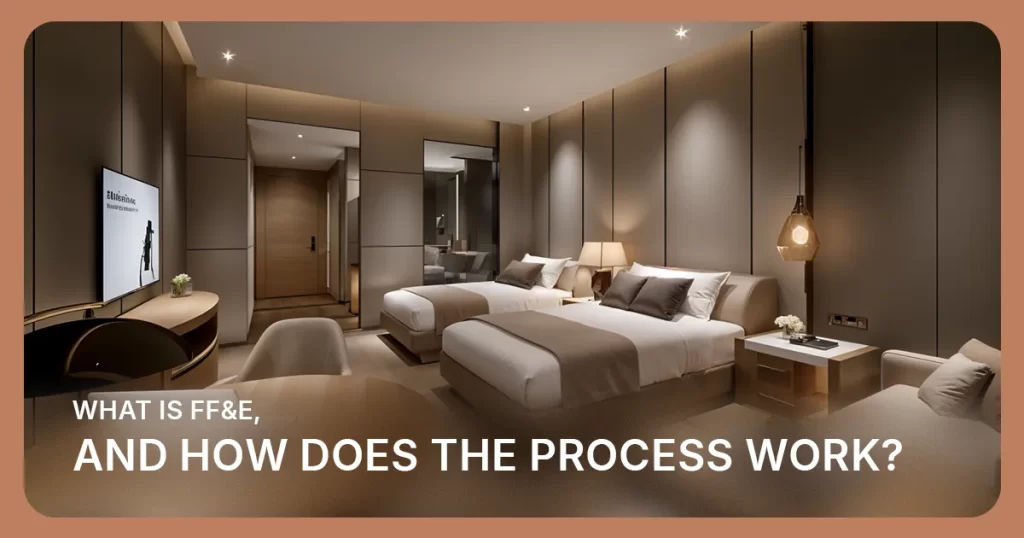
What is FF&E, and how does the process work?

FF&E Process: Key Steps for Successful Procurement

FF&E (Furniture, Fixtures, and Equipment) is the movable items in a building. They are essential for design, functionality, and comfort. Unlike walls and floors, FF&E items can be changed. They can be replaced, upgraded, or reconfigured to match new trends and users’ needs.

Examples of FF&E:

  • Furniture: Chairs, sofas, beds, desks, tables, wardrobes.
  • Fixtures: lighting fixtures; decorative panels; bathroom fittings; shelving.
  • Equipment: kitchen appliances, televisions, projectors, sound systems.

How does the FF&E process work?

Managing FF&E has several stages. These stages ensure quality, compliance, and cost-effectiveness. Here’s a breakdown of how it works:

Planning & Budgeting

Before purchasing any FF&E, designers and project managers:

  • Assess the functionality and design requirements of the space.
  • Set a budget for furniture, fixtures, and equipment. This will help you avoid overspending.
  • Find materials that are sustainable, durable, and meet Saudi regulations.

Selection & Design Integration

Once the budget is set, the team selects FF&E items that align with the design concept and meet client needs.

  • Material selection: wood, metal, glass, fabric, or eco-friendly alternatives.
  • Styles: modern, traditional, minimalist, or luxurious.
  • Functionality: ergonomic furniture, energy-efficient appliances, and designs that are flexible.

Procurement & Compliance Check

FF&E procurement involves:

  • Source from trusted vendors for quality and reliability.
  • Complying with Saudi building codes and safety standards.
  • Verifying warranties, maintenance contracts, and long-term usability.

Delivery & Installation

After procurement, FF&E items are:

  • Shipped, delivered, and inspected for quality and accuracy.
  • Assembled and installed, following the interior layout plan.
  • Checked for compliance with safety, fire, and environmental regulations.

What are the FF&E procurement rules in Saudi Arabia?

FF&E Process: Key Steps for Successful Procurement

Saudi Arabia has strict rules for FF&E procurement. This is especially true in the hospitality, healthcare, and corporate fields.

These rules ensure that furniture and equipment are safe. They meet all the standards for the environment and culture, too.

Key FF&E Compliance Areas:

Quality & Safety Standards

  • All FF&E items must meet SASO certifications.
  • Materials should be durable, fire-resistant, and safe for users.

Fire and Safety Regulations

  • Fire-rated furniture and fixtures are a must for hotels and commercial buildings.
  • There must be emergency exits, smoke detectors, and non-toxic materials.

Sustainability and Energy Efficiency

  • Green building standards, such as LEED and Vision 2030, require energy-efficient lighting and eco-friendly materials.
  • Waste management and recycling guidelines apply to discarded FF&E items.

Cultural and Religious Considerations

  • Designs must adhere to Islamic aesthetics and Saudi traditions.
  • Privacy-friendly layouts and gender-segregated spaces are required in public buildings.

Why is FF&E important in commercial real estate?

FF&E is vital in commercial real estate. It affects tenant satisfaction and property value. Here’s why it matters:

1. Enhancing Property Value

  • High-quality FF&E makes properties more marketable.
  • High-quality furniture and modern fixtures lead to better rental rates and longer leases.

2. Improving functionality and user experience.

  • Ergonomic office furniture boosts productivity and comfort.
  • Luxury hotel FF&E enhances guest satisfaction and brand reputation.
  • Smart lighting and automation boost energy efficiency.

3. Ensuring brand identity and aesthetic appeal

  • Hotels, restaurants, and stores use custom FF&E to boost their brands.
  • A curated mix of furniture and décor creates an inviting feel.

4. Meeting compliance and safety standards

  • You need fire-rated fabrics, ADA-compliant furniture, and sustainable materials to operate legally.
  • Properly maintained FF&E ensures longevity and cost savings over time.

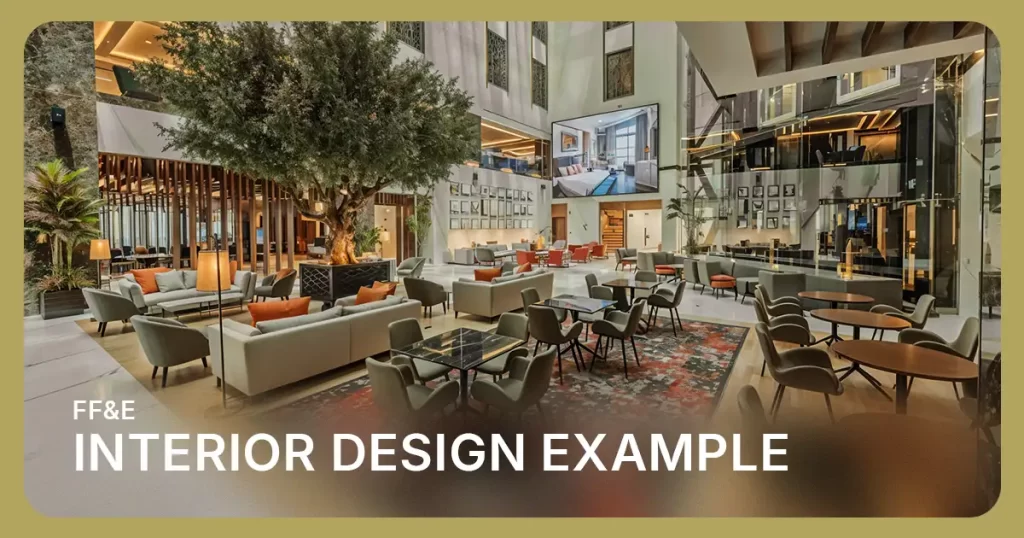
FF&E Interior Design Example

FF&E Process: Key Steps for Successful Procurement

Case Study: La Cordia Hotel Chain – Luxury FF&E Solutions for a Superior Guest Experience

La Cordia Hotel Chain needed high-end FF&E to create a seamless blend of modern luxury and cultural authenticity. The project focused on custom furniture, smart technology, and sustainable solutions to enhance guest comfort and meet industry standards.

  • Furniture: Handcrafted beds, luxury sofas, and ergonomic lounge chairs for premium comfort.
  • Fixtures: Smart lighting with motion sensors for energy efficiency and elegant, custom designs.
  • Equipment: Touchless controls, AI-powered assistants, and state-of-the-art minibars for a seamless experience.
  • Compliance & Sustainability: Fire-rated materials, eco-friendly fabrics, and sustainably sourced wood.

By combining innovation, comfort, and sustainability, La Cordia Hotel Chain sets a new standard in hospitality, delivering an exceptional guest experience while maintaining top-tier quality and compliance.La Cordia Hotel Chain – Luxury FF&E Solutions for a Superior Guest Experience

Conclusion

FF&E is more than just furniture and décor—it’s a key part of interior design and real estate development. In hotels, offices, and homes, choosing the right FF&E affects design, function, safety, and property value.

Saudi Arabia enforces strict rules for FF&E procurement. This ensures that materials are safe, sustainable, and fit the local culture. Designers and developers must stay updated on these regulations to create spaces that meet both local standards and global expectations.

This is where Golden Hospitality Solutions (GHS) becomes a valuable partner. GHS focuses on FF&E and OS&E procurement. We help hotels and restaurants find good and affordable solutions. They showcase their skills in big projects like La Cordia Hotel Chain . Here, they provide outstanding furnishings that mix style, durability, and compliance.

GHS offers expert support for a structured FF&E process. This helps businesses create attractive, useful spaces. These spaces follow rules and last longer. Whether you’re designing a hotel, office, or any commercial space, partnering with the right experts ensures success.

FAQs

1. What are the latest trends in FF&E procurement?

Smart tech, modular furniture, sustainable materials, and AI design are trending.

2. How does FF&E compliance impact real estate projects?

Compliance ensures safety, quality, and legal approvals. It reduces risks and boosts property value.

3. What’s the difference between FF&E and OS&E?

  • FF&E includes large, movable items (furniture, fixtures, and equipment).
  • OS&E (Operating Supplies & Equipment) covers small items: linens, cutlery, and toiletries.

Top Challenges for Interior Designers in Saudi Arabia

Interior design is more than just arranging furniture and choosing colors. It’s about creating a space that looks stunning and feels comfortable. Over time, design trends have evolved, and today, technology plays a major role in how we design and experience spaces.

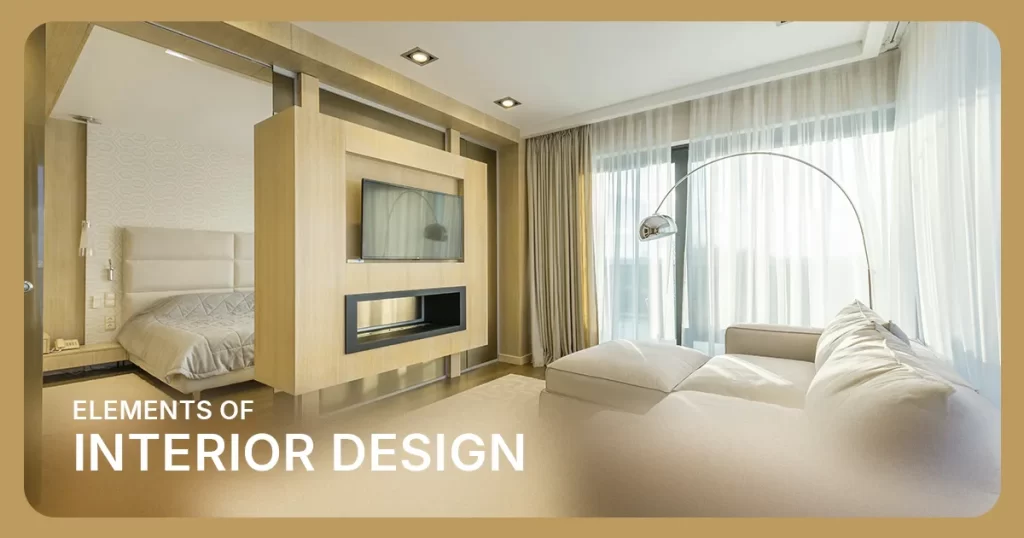
Elements of Interior Design

Interior Designers in Saudi Arabia

Designers seek to create a space that is both beautiful They focus on several key elements:

1. Space: The Foundation of Design

Space is the starting point of any design.

2. Lines: Creating Structure and Movement

Lines guide the eye and define shapes.

  • Horizontal lines (tables, countertops) add stability.
  • Vertical lines (windows, doors) create height.
  • Dynamic lines (curves, angles) add energy.

3. Shape and Form: Defining Aesthetics

Shapes bring personality to a room.

  • Geometric shapes like rectangles and squares add a modern feel.
  • Organic shapes (curves, ovals) add softness.

4. Color: The Power of Mood and Emotion

Colors influence how we feel.

  • Warm colors (red, orange) create a coziness.
  • Cool colors (blue, green) feel calming.
  • Neutral tones (beige, gray) provide balance.

5. Texture and Patterns: Adding Depth

Texture makes a space feel richer.

  • Smooth surfaces (glass, metal) feel sleek.
  • Rough textures (brick, wood) add warmth.

Patterns, like stripes or florals, add a personal touch. They make things more interesting.

6. Lighting: Setting the Mood

A well-lit space enhances design.

  • Ambient lighting (main lights) brightens a room.
  • Task lighting (desk lamps) helps with focus.
  • Accent lighting (spotlights) highlight features.

7. Furniture and Décor: Completing the Look

Furniture should be both functional and aesthetic. The right sofas, tables, and accessories can transform a space.

What Defines “Perfection” in Interior Decoration?

Design perfection is subjective. What works for one may not work for another. However, some key factors contribute to a perfect space:

  • Balance Beauty and Function: A great space looks good and works well. 
  • Comfort and Usability: A perfect design must suit the lifestyle of its users.
  •  Timeless vs. Trendy: Some prefer classic styles, while others love modern trends. 
  • Cultural and Personal Preferences: A perfect interior should reflect one’s personality and traditions.

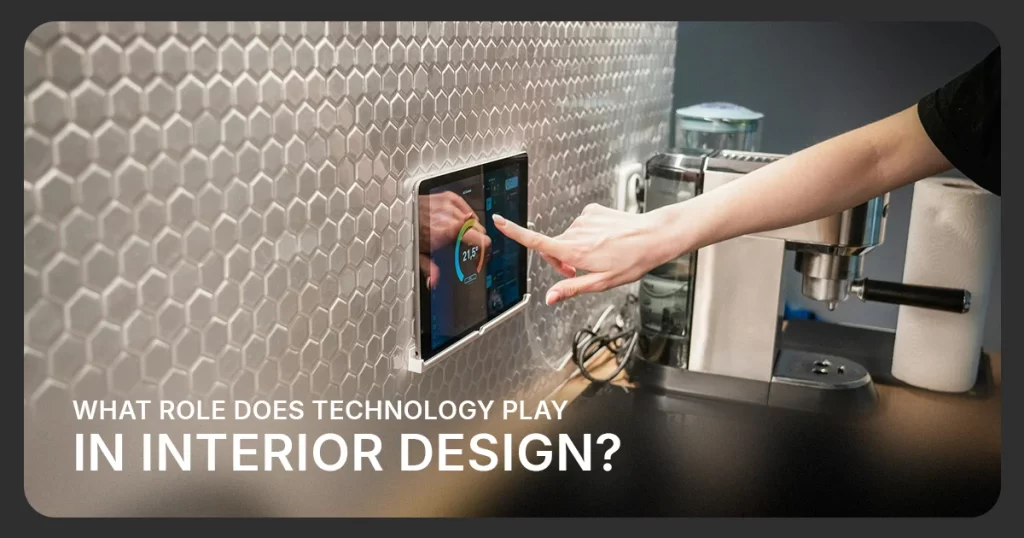
What role does technology play in interior design?

Interior Designers in Saudi Arabia

Technology is changing interior design in exciting ways.

1. Smart Home Automation

Modern homes have smart systems for lighting, security, and climate. They aim for convenience and energy efficiency.

2. AI and Machine Learning

AI tools help designers. They create custom layouts and find the best colors.

3. Virtual and Augmented Reality (VR/AR)

With VR, clients can explore their designs before deciding. AR apps let users see how furniture fits into their space.

4. 3D Printing: Customization at Its Best

Designers now print custom furniture and décor to fit specific needs.

5. Digital Design Software

Tools like AutoCAD and SketchUp make it easier to create 3D models of spaces. They are accurate.

Challenges Faced by Interior Designers in Saudi Arabia

Saudi Arabia presents unique challenges for designers.

  • Weather: High temperatures need careful material selection. Heat-resistant and energy-efficient materials are essential.
  • Cultural and Traditional Influences: Interior design must respect Islamic architecture. It values privacy and modesty. We blend the best of both worlds. We embrace modern flair and timeless Arabian elegance. Our clients love modern designs that honor rich, traditional art. Here, innovation meets heritage, creating spaces that speak to every taste.
  • Regulatory Challenges:  Building codes and rules shape design.
  • Material Sourcing:  It can be hard to find good materials and skilled labor.

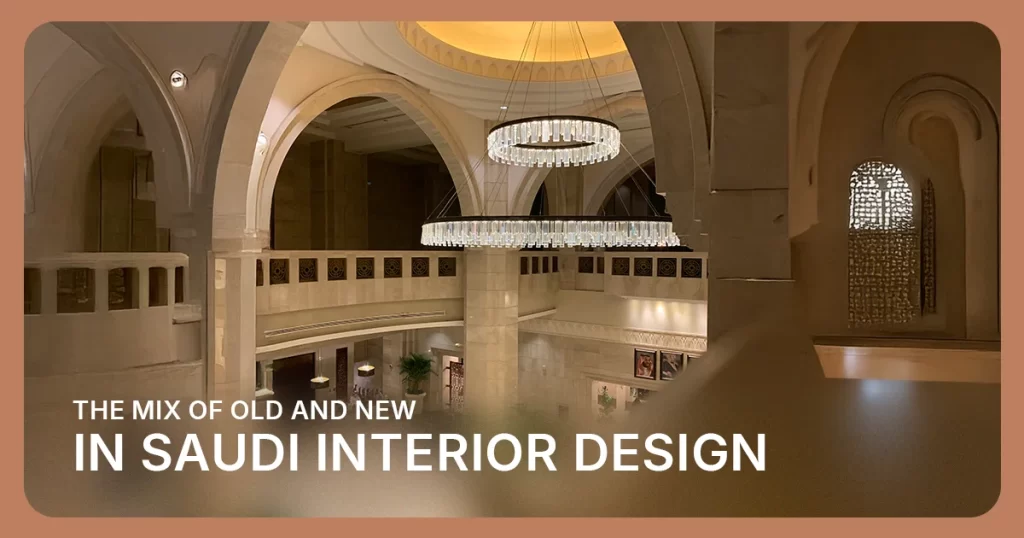
The Mix of Old and New in Saudi Interior Design

Interior Designers in Saudi Arabia

Saudi Arabia is blending its heritage with modern design.

  • Modern interiors are influenced by Islamic architecture. They use arches, intricate patterns, and domes.
  • Luxury Design is on the rise. It has high-end materials. They include marble, gold accents, and custom furniture.
  • Eco-friendly designs are trending. They use sustainable materials and are energy-efficient.

Future Trends in Interior Design with Technology

What’s next for interior design? Here are some trends to watch:

  1. AI-Generated Designs: AI creates unique styles tailored just for you.
  2. Metaverse-Inspired Spaces: Users can design interiors online in a virtual space.
  3. Smart Lighting & Climate Control: AI will optimize lighting and climate for comfort.
  4. Sustainable & Eco-Friendly Interiors: Designers are using more recycled and energy-efficient materials.

Conclusion

Interior design is a blend of art, science, and technology. Designers in Saudi Arabia and worldwide want Interior design to be a blend of art, science, and technology. Designers in Saudi Arabia and worldwide strive to create spaces that are functional, comfortable, and visually stunning. Achieving this balance requires the right furniture, fixtures, and equipment (FF&E) that align with both aesthetic and practical needs.

Golden Hospitality Solutions (GHS) plays a key role in bringing exceptional interior design concepts to life. Specializing in FF&E and OS&E procurement, GHS ensures that hotels, restaurants, and corporate spaces are furnished with high-quality, cost-effective solutions.

The future of interior design is exciting, with advancements in AI, smart home technology, and sustainable materials shaping the industry. With expert partners like GHS, businesses can stay ahead by integrating these innovations seamlessly into their spaces.

FAQ

1. What are the key elements of interior design?

Space, color, lighting, texture, and furniture are key to good interior design.

2. How does technology help in designing interiors?

Tech provides tools to create efficient, stylish spaces. They include 3D modeling, smart home automation, and AI planning.

3. What makes an interior design “perfect”?

A perfect interior is functional, beautiful, and comfy. It meets its occupants’ needs.

4. What are the biggest challenges for interior designers today?

Budget limits, sustainability, and changing trends are significant challenges.

5. How is Saudi Arabia adapting to modern interior design trends?

Saudi designers mix traditional Arabic styles with modern smart home tech to craft unique spaces.

6. What are the latest smart home trends influencing interior design?

Voice-controlled devices, AI lighting, and eco-friendly designs are changing how we think about interior spaces.

Top 3 Types of Hospitality in the Industry

The hospitality industry aims to create lasting memories for guests. This applies to hotels, restaurants, and events.

Hospitality solutions help the industry in various ways. They focus on four key areas: technology, design, operations, and customer service.

In this blog, we will look at hospitality solutions. We’ll look at the different categories and services that make up this dynamic industry.

What is a hospitality solution?

Types of Hospitality

A hospitality solution is any tool, strategy, or service that improves the guest experience. It also helps make operations smoother in the hospitality industry.

These solutions use new technology. They mix creative designs with smart operations. The goal is to give guests a smooth and enjoyable experience. At the same time, we want to help businesses earn more.

Examples of hospitality solutions include:

  • “Property Management Systems (PMS) are the digital key to easy hospitality. Take care of reservations with ease. Check-ins are simple to manage. Assign rooms without a hitch. With our software, efficiency meets elegance in every booking!”
  • Guest Experience Platforms improve guest interactions. They also collect feedback.
  • Sustainable practices: they help the environment and attract eco-friendly travelers.
  • FF&E Design: This includes furniture, fixtures, and equipment. They make spaces both functional and attractive.

Hospitality solutions are key to staying competitive. Guest expectations are always changing.

What are the four categories of hospitality?

The hospitality industry is large and varied. It can be divided into four main sectors:

  1. Accommodation:

    • This includes hotels, resorts, motels, hostels, and vacation rentals.
    • The focus is on providing comfortable and safe lodging for guests.
    • A luxury hotel with tailored services, such as a concierge and room service.
  2. Food and Beverage (F&B):

    • This list has restaurants, cafés, bars, catering services, and food trucks.
    • The goal is to deliver exceptional dining experiences, from casual meals to fine dining.
    • Local ingredients make a farm-to-table restaurant special.
  3. Travel and Tourism:

    • This covers airlines, cruise lines, travel agencies, and tour operators.
    • The goal is to make travel easier for both tourists and business travelers.
    • A travel agency makes custom vacation packages just for you.
  4. Entertainment and Recreation:

    • This list showcases theme parks, casinos, sports events, and cultural attractions.
    • The focus is on providing fun and engaging experiences for guests.
    • A theme park offers exciting rides and fun attractions for families.

What is meant by hospitality services?

Hospitality services offer different activities and amenities for guests. They aim to provide comfort, satisfaction, and enjoyment. These services are the heart of the hospitality industry and can vary widely depending on the type of business.

Key hospitality services include:

  • Accommodation Services: We offer clean, comfy, and well-kept rooms.
  • Food and Beverage Services: We provide varied menus, fast service, and top-notch meals.
  • Customer Service: Provide warm, helpful, and tailored support.
  • Concierge Services: Helping guests book activities, share tips, and meet special needs.
  • Event Planning: Planning weddings, conferences, and other events.

What are the three types of hospitality?

Types of Hospitality

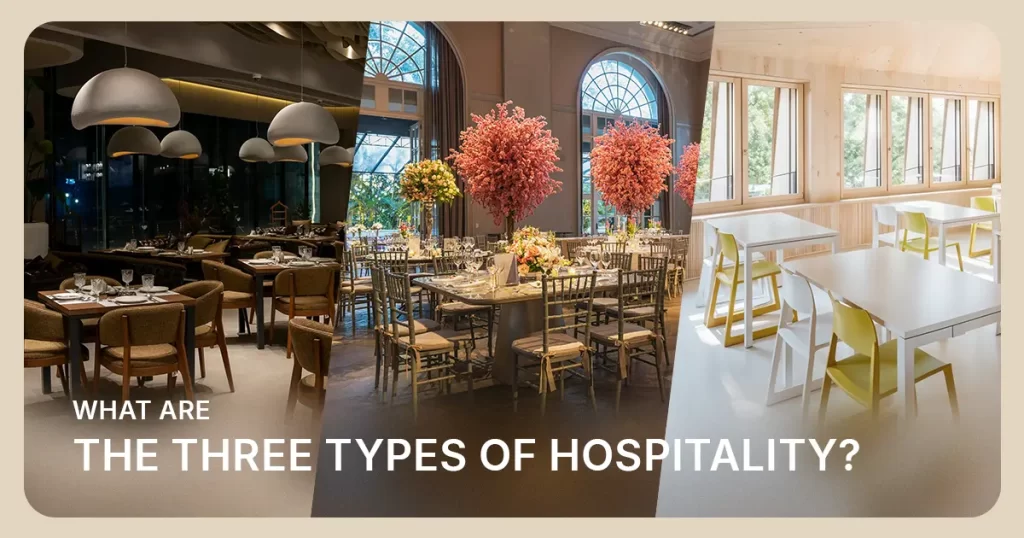
The hospitality industry has three main types based on the services offered:

  1. Commercial Hospitality:
    • This includes money-making businesses, such as hotels, restaurants, and travel agencies.
    • The focus is on delivering high-quality services to attract and retain customers.
    • Example: hotel offering unique experiences to its guests.
  2. Service Hospitality:
    • This means businesses that serve other businesses. Examples are catering companies and event planners.
    • We aim to help other organizations create great guest experiences.
    • Catering services for corporate events.
  3. Institutional Hospitality:
    • This includes places like hospitals, schools, and prisons. They offer hospitality services as part of what they do.
    • The focus is on meeting the basic needs of individuals in these settings.
    • Example: A hospital cafeteria serving meals to patients and staff.

The Role of Technology in Hospitality Solutions

Technology is changing the hospitality industry. It provides new ways to improve guest experiences and make operations easier. Some of the top tech-driven hospitality solutions include:

  • Mobile Check-In/Check-Out: Allows guests to bypass the front desk and access their rooms using their smartphones.
  • Artificial Intelligence (AI): Chatbots help guests quickly and provide personalized suggestions.
  • Contactless Payments: Lets you make safe and easy transactions without any physical contact.
  • Smart Room Technology: Guests can change room settings. They can change the lighting. They can also set the temperature and choose entertainment. They can use voice commands or apps to do this.
  • Data Analytics: Helps businesses learn what guests like and improve their services.

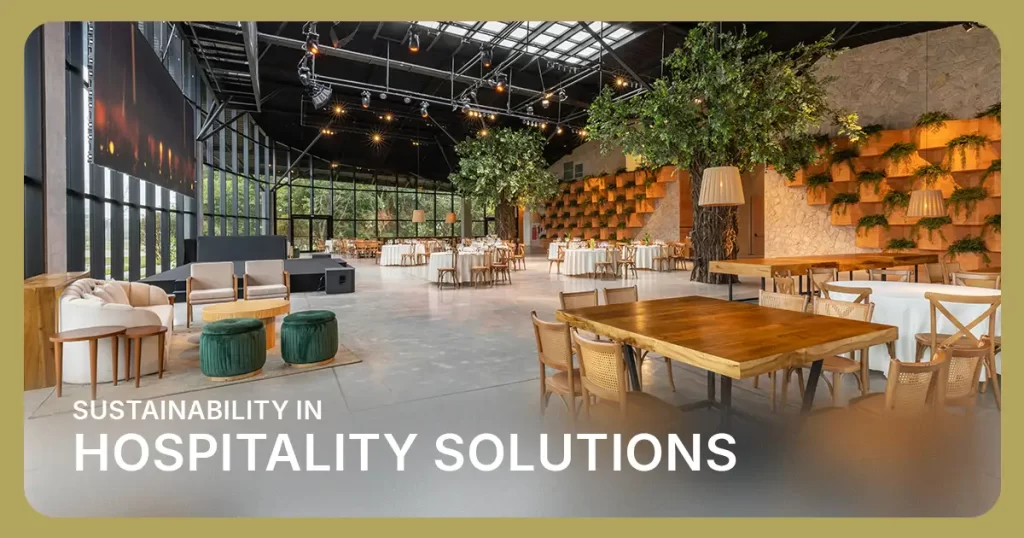
Sustainability in Hospitality Solutions

Types of Hospitality

Sustainability is no longer a trend—it’s a necessity. Sustainable hospitality solutions reduce environmental damage. They also attract eco-friendly guests. Examples include:

  • Energy-Efficient Systems: Use LED lights Install smart thermostats. Reduce waste: start recycling programs. Cut down on single-use plastics.
  • Local sourcing: Work with local suppliers. This helps communities and lowers carbon footprints.
  • Green Certifications: Earn certifications such as LEED or Green Key. They show your commitment to sustainability.

Conclusion 

Hospitality solutions play a key role in improving guest experiences and achieving success in the industry. Effective hospitality solutions, from hotels to restaurants, make stays enjoyable. This keeps guests returning.

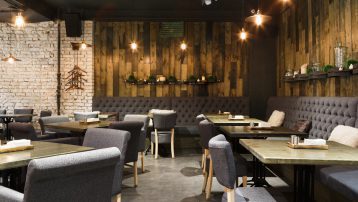
The hospitality industry consists of four key areas: Accommodation, Food Services, Travel, Entertainment

Each category offers chances for growth and new ideas. To stay competitive, businesses must use technology. They should also focus on sustainability and provide great service. This way, they can meet their guests’ changing needs.

Golden Hospitality Solutions (GHS) crafts unforgettable moments in hospitality. GHS specializes in FF&E and OS&E procurement. We offer great, budget-friendly solutions for hotels, restaurants, and corporate spaces. They highlight their skills through impressive projects. These include the Address Hotel in Jabal Omar, Makkah, and the Millennium Hotel in Jeddah. They design luxurious and functional spaces. These spaces exceed industry standards.

No matter if you manage a hotel, run a restaurant, or work in travel, knowing the basics of hospitality is key. Working with experts like GHS gives you the right tools. It improves guest experiences and helps achieve lasting success.
FAQ

What are hospitality solutions, and why are they important?

Hospitality solutions are tools, strategies, or services that enhance guest experiences and streamline operations. They help businesses in hotels, restaurants, and travel industries improve efficiency, customer satisfaction, and profitability.

How does technology improve hospitality services?

Technology enhances hospitality services through mobile check-ins, AI-powered chatbots, contactless payments, smart room controls, and data analytics. These innovations create smoother operations and personalized guest experiences.

What role does sustainability play in hospitality?

Sustainability is essential for reducing environmental impact and attracting eco-conscious travelers. Hospitality businesses adopt energy-efficient systems, recycling programs, and locally sourced materials to promote sustainable practices.

A Professional Guide to Hotel FF&E & OS&E Procurement Strategy

FF&E stands for Furniture, Fixtures, and Equipment. It is vital for any successful interior design or construction project. In Saudi Arabia, rapid development and cultural nuances matter. This guide is your compass for FF&E in Saudi Arabia. Use it for crafting a palatial hotel, a sleek office, or a charming home. We’ll light up every nook and cranny. Let’s look at procurement, cultural differences, and local sourcing treasures. Get ready to embark on this insightful journey! 

What is FF&E?

FF&E stands for Furniture, Fixtures, and Equipment. These items are movable or semi-permanent. They help make a space functional and attractive. Examples include:

  • Furniture: Sofas, chairs, tables, beds, and cabinets.
  • Fixtures: lighting, mirrors, and shelving.
  • Equipment: Appliances, electronics, and décor (like art and rugs).

FF&E is key to making spaces that are beautiful and practical. They must also meet the project’s goals.

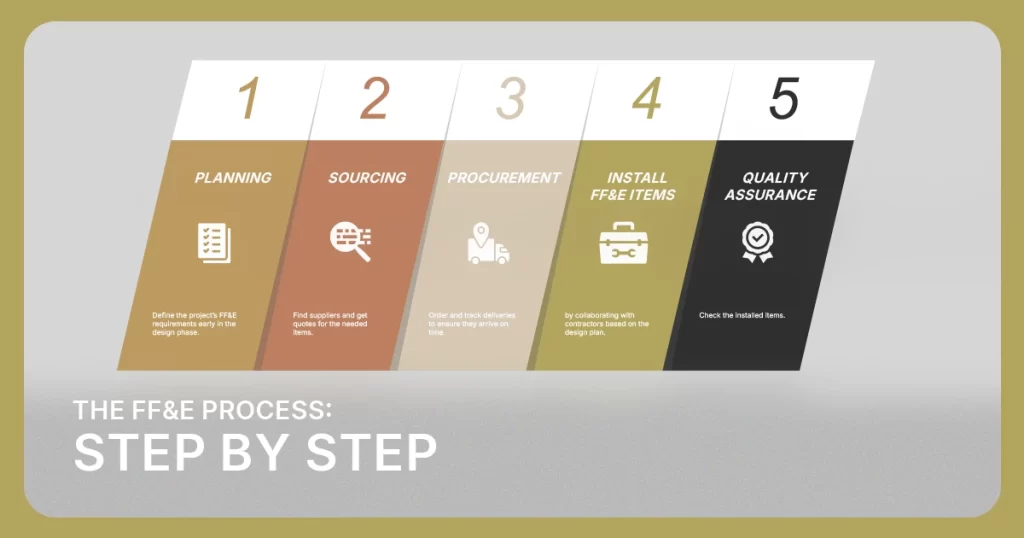
The FF&E Process: Step by Step

Procurement Strategy

The FF&E process involves several key steps to ensure a smooth and successful project:

  1. Planning: Define the project’s FF&E requirements early in the design phase.
  2. Sourcing: Find suppliers and get quotes for the needed items.
  3. Procurement: Order and track deliveries to ensure they arrive on time.
  4. Install FF&E items: by collaborating with contractors based on the design plan.
  5. Quality Assurance: Check the installed items.

Cultural Considerations in FF&E Procurement in Saudi Arabia

Saudi Arabia’s rich culture and traditions affect FF&E procurement. Here’s how:

  1. Saudi Arabian design: features many traditional elements. It has geometric patterns, Arabic calligraphy, and rich textures. FF&E must reflect these cultural preferences.
  2. Privacy and Modesty: In mixed-gender spaces, use screens or partitions for privacy.
  3. Local materials: Using local materials, such as wood and stone, makes it more authentic. It also makes the work more appealing.
  4. Religious Considerations: Design must respect Islamic principles. Avoid overly ornate or extravagant designs in some spaces.

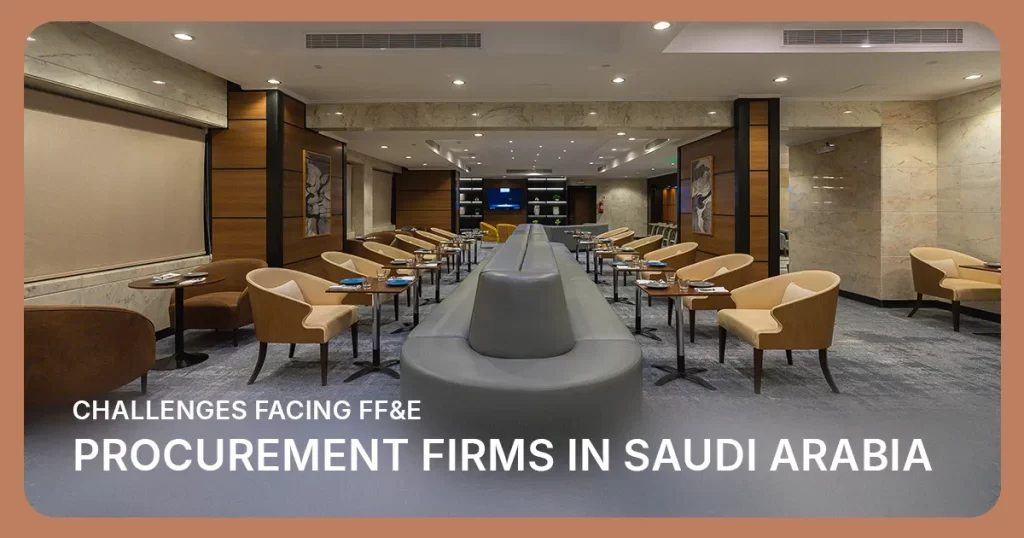
Challenges Facing FF&E Procurement Firms in Saudi Arabia

Procurement Strategy

Procuring FF&E in Saudi Arabia comes with its own set of challenges:

  1. Supply Chain Delays: Importing FF&E items can lead to long lead times due to customs and logistics.
  2. Budget Constraints: High-quality FF&E can be expensive, and budget overruns are common.
  3. Quality Control: It’s tough to ensure that imports meet local quality standards.
  4. Cultural Fit: We must blend modern design with traditional Saudi aesthetics. This requires careful planning.

Hotel FF&E and OS&E procurement strategy

In hospitality, FF&E and OS&E are key to a great guest experience. Here’s how to approach procurement:

FF&E Strategy:

  • Focus on durability and aesthetics in high-traffic areas.
  • Choose furniture and fixtures that reflect the hotel’s brand and theme.
  • Prioritize guest comfort in rooms and common areas.

OS&E Strategy:

  • Stock up on consumable items like linens, toiletries, and cleaning supplies.
  • Ensure OS&E items are cost-effective and readily available.

Local vs. International Sourcing for FF&E in Saudi Arabia

When it comes to sourcing FF&E, you have two main options: local or international. Here’s a comparison:

Local Sourcing (International Sourcing): Faster delivery times. (Supports local businesses.) A wider variety of designs and materials. (Easier to align with cultural norms.) Often, it has better or unique options. It may take much longer lead times. Potentially lower shipping costs. Higher shipping and customs costs.

In Saudi Arabia, many firms opt for a mix of both to balance cost, quality, and cultural relevance.

Conclusion

FF&E is a critical component of any successful project, especially in a dynamic market like Saudi Arabia. Creating spaces that are both visually appealing and highly functional requires a deep understanding of FF&E. This process involves navigating cultural considerations, procurement challenges, and aligning designs with local preferences. Whether sourcing locally or internationally, the right FF&E strategy can be a game-changer.

Golden Hospitality Solutions (GHS) specializes in delivering high-quality FF&E and OS&E solutions, tailored to the unique demands of the hospitality industry. With extensive experience in major projects like La Cordia Hotel Chain, GHS has proven its ability to provide comprehensive consultancy and effective solutions that seamlessly balance design, quality, and cost.

By ensuring a smooth procurement process, optimizing costs, and maintaining design integrity, GHS helps clients create exceptional spaces that not only meet but exceed industry standards.

FAQ

1. What is FF&E, and why is it important?

FF&E includes furniture, fixtures, and equipment that make a space functional and beautiful. It’s vital for creating spaces that are both beautiful and user-friendly.

2. How do cultural considerations impact FF&E procurement in Saudi Arabia?

Cultural factors greatly affect FF&E selection and procurement. They include design, a need for privacy, and religious principles.

3. What are the biggest challenges in FF&E procurement in Saudi Arabia?

Common challenges are supply chain delays, budget limits, and quality issues. Also, designs must fit cultural preferences.

4. What is the difference between FF&E and OS&E?

FF&E includes long-lasting, movable items. OS&E refers to consumables for daily operations.

5. Should I source FF&E locally or internationally?

Both options have pros and cons. Local sourcing is faster and culturally aligned. International sourcing provides more variety and better quality.

5 essential steps for a successful FF&E process

The FF&E (Furniture, Fixtures, and Equipment) process is key to successful interior design and project work. A well-planned FF&E process is key. It ensures functionality, aesthetics, and compliance. This is true whether you’re designing a luxury hotel, a modern office, or a retail space. But what makes an FF&E process truly successful?

This blog will explore the keys to a winning FF&E process. It will cover how culture impacts procurement, the role of FF&E in accounting and taxes, and a hotel FF&E and OS&E procurement strategy.

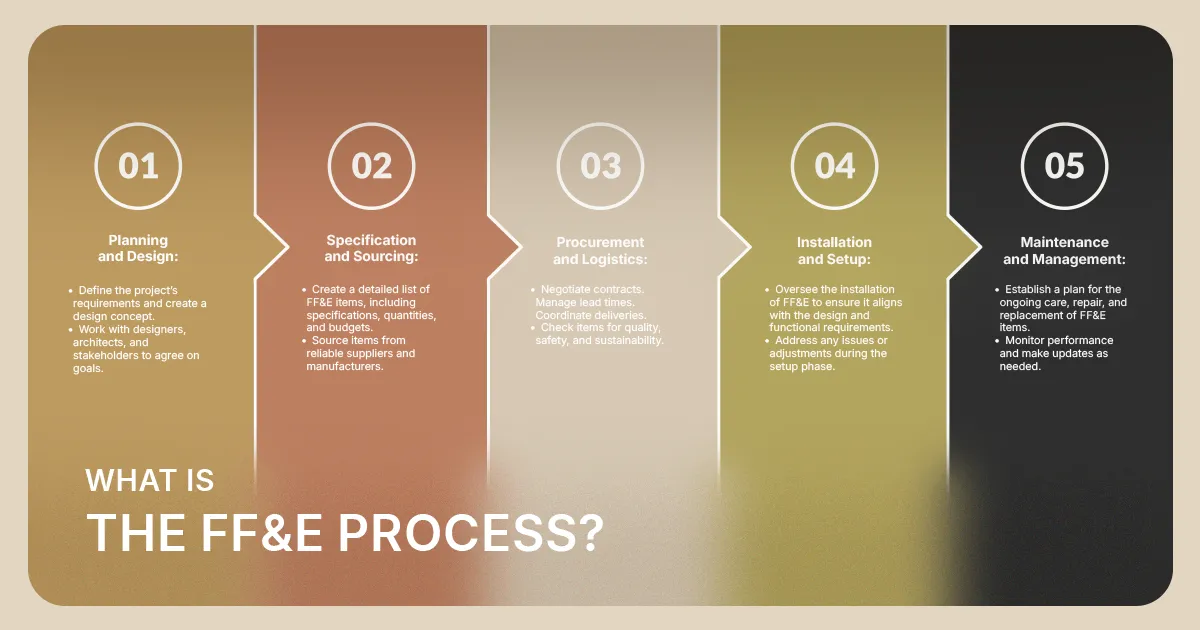
What is the FF&E process ?

The FF&E process is about choosing, buying, and setting up furniture, fixtures, and equipment in a space. It is a multi-step process. It needs careful planning, coordination, and execution. Here’s a breakdown of the key stages:

  1. Planning and Design:
    • Define the project’s requirements and create a design concept.
    • Work with designers, architects, and stakeholders to agree on goals.
  2. Specification and Sourcing:
    • Create a detailed list of FF&E items, including specifications, quantities, and budgets.
    • Source items from reliable suppliers and manufacturers.
  3. Procurement and Logistics:
    • Negotiate contracts. Manage lead times. Coordinate deliveries.
    • Check items for quality, safety, and sustainability.
  4. Installation and Setup:
    • Oversee the installation of FF&E to ensure it aligns with the design and functional requirements.
    • Address any issues or adjustments during the setup phase.
  5. Maintenance and Management:
    • Establish a plan for the ongoing care, repair, and replacement of FF&E items.
    • Monitor performance and make updates as needed.

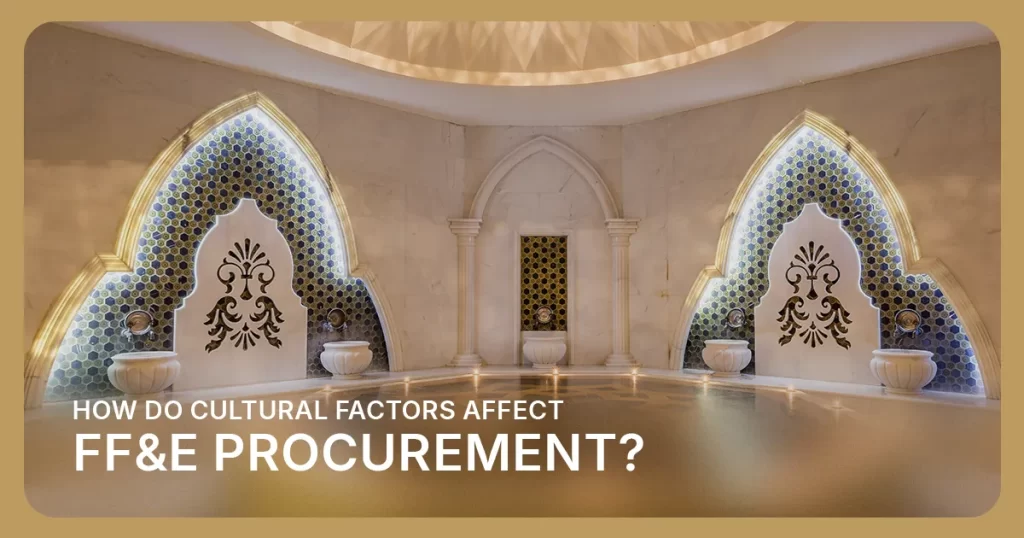
How do cultural factors affect FF&E procurement?

5 essential steps for a successful FF&E process

Cultural factors are key in FF&E procurement. This is especially true in global projects or in areas with strong cultures. Here’s how culture influences the process:

  1. Design Aesthetics:
    • Respect cultural choices in colors, patterns, and fabrics. Middle Eastern designs have intricate patterns and rich textures. Scandinavian designs favor minimalism and natural materials.
  2. Functionality:
    • Cultural norms influence how spaces are used. For instance, a hotel in Japan may need low furniture. It must align with traditional seating styles.
  3. Local Regulations:
    • Following local standards and rules is important. For example, fire safety standards for furniture may vary by country.
  4. Sustainability:
    • Cultural views on sustainability can affect material choices. In areas that value conservation, eco-friendly FF&E may be prioritized.
  5. Brand Alignment:
    • In hospitality, FF&E must reflect the local culture while maintaining the brand’s identity. This balance is crucial for providing genuine and consistent guest experiences.

FF&E: The Role of Furniture, Fixtures, and Equipment in Accounting and Tax.

5 essential steps for a successful FF&E process

FF&E isn’t just about design—it also has significant implications for accounting and tax purposes. Here’s why:

  1. Capitalization:
    • FF&E items are typically capitalized as fixed assets on the balance sheet. This means their cost is spread over their useful life through depreciation.
  2. Depreciation:
    • FF&E is depreciated over time, reducing taxable income and providing tax benefits. The depreciation period varies based on the item’s expected lifespan.
  3. Budgeting:
    • Proper accounting for FF&E helps in accurate budgeting and financial planning. It ensures costs are assigned correctly and monitored during the project.
  4. Asset Management:
    • Tracking FF&E as assets helps in managing maintenance, replacements, and upgrades. It also provides a clear picture of the project’s financial health.

What is a hotel FF&E and OS&E procurement strategy?

In hospitality, FF&E strategies and OS&E are key to great guest experiences. A successful procurement strategy includes:

  1. Needs Assessment:
    • Identify the specific FF&E and OS&E needs for the hotel. They include guest rooms, common areas, and back-of-house areas.
  2. Supplier Selection:
    • Partner with reliable suppliers. They must offer products that are high quality, durable, and sustainable.
  3. Budget Management:
    • Allocate funds for FF&E (capital expenses) and OS&E (operating expenses) separately. This will ensure accurate financial tracking.
  4. Sustainability Focus:
    • Use eco-friendly materials and energy-efficient equipment. This aligns with global sustainability trends.
  5. Cultural Relevance:
    • Add local cultural elements to the design. This will create an authentic and immersive experience for guests.
  6. Timeline Coordination:
    • Plan procurement and delivery schedules to match the hotel’s opening. Avoid delays and disruptions.

Conclusion

The FF&E process is vital to success in hospitality, education, corporate spaces, and retail projects. It requires careful planning and execution, encompassing culture, accounting, procurement, and sustainability.

Golden Hospitality Solutions (GHS) specializes in streamlining this complex process, offering expert procurement consultancy and design services for FF&E and OS&E. By leveraging their extensive network of manufacturers and suppliers, GHS ensures cost-effective, high-quality solutions tailored to each project’s unique requirements. Their work on prestigious projects like La Cordia Hotel Chain.

Understanding FF&E and OS&E is crucial to designing spaces that are not only functional and aesthetically pleasing but also culturally and financially sustainable. With the right expertise and tools, like those provided by GHS, this process becomes more efficient and impactful.

FAQ

What is the difference between FF&E and OS&E?

FF&E (Furniture, Fixtures, and Equipment) includes movable items like chairs, desks, and lighting, which are essential for a space’s functionality and design. OS&E (Operating Supplies & Equipment) covers smaller, operational items such as linens, cutlery, and kitchenware used in daily operations.

How long does the FF&E procurement process take?

The FF&E procurement timeline depends on the project size and complexity. It typically takes several months, including planning, sourcing, manufacturing, shipping, and installation. Delays can occur due to supply chain issues, so early planning is key.

Why is sustainability important in choosing FF&E?

Sustainability ensures that FF&E elements are environmentally friendly, durable and energy-efficient. The use of environmentally friendly materials and responsible sources helps reduce waste and is in line with global sustainability trends, benefiting both businesses and the environment.

What is FF&E documentation and specification?

FF&E documentation and specification

Mastering FF&E is vital for anyone in interior architecture. This includes designers, architects, project managers, and clients. The journey begins in the schematic design phase. Our team will work closely with clients to define specs that match their unique vision. This early stage lays the foundation for a successful project by allowing us to create a preliminary project budget estimate. As the project moves to the design phase, we will optimize costs. We will also ensure the FF&E specs match the approved budget. We are committed to our clients’ success. So, we provide a guide to mastering FF&E. It covers everything from schematic design to procurement management. It ensures projects are on time, on budget, and of the highest quality.

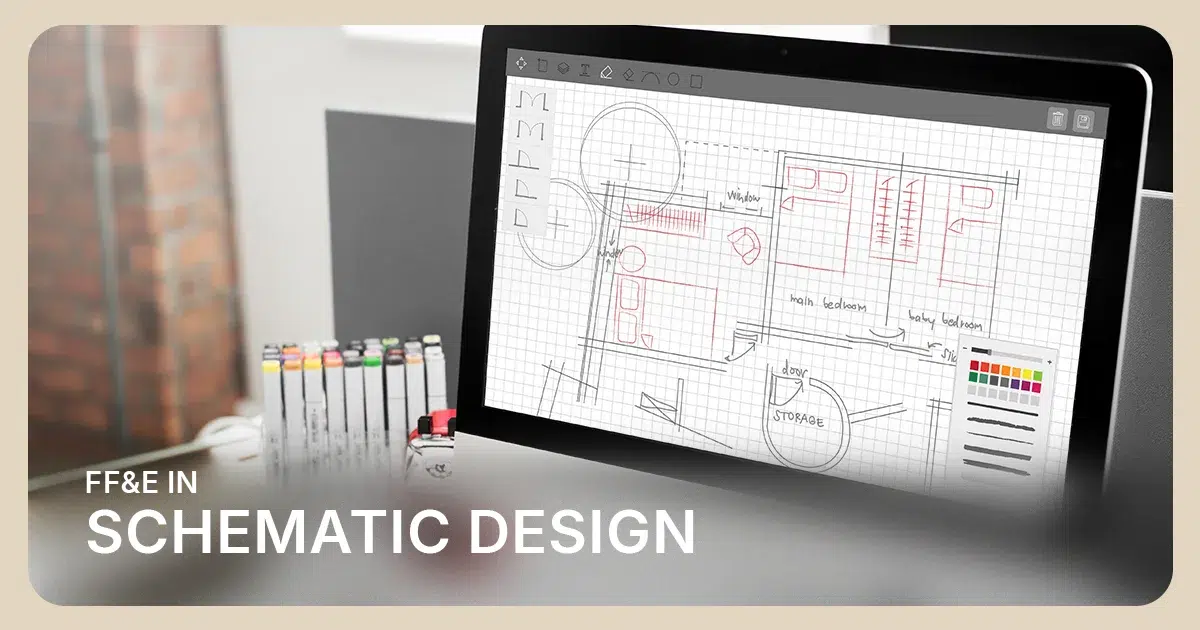
FF&E in Schematic Design

FF&E documentation and specification

Starting the FF&E Process

The FF&E process starts from the schematic design phase, a critical period that defines the body of the entire project. At this stage, our team talks to customers. We aim to learn their needs and preferences, and to define initial specs. This early work ensures the project vision meets customer expectations. We estimate the project budget. Then, we create a financial plan. This allows for informed decisions as the project evolves.

Compliance with customer requirements

Meeting the FF&E specification with the client’s requirements is the cornerstone of the schematic design stage. This step starts with deep talks to capture the client’s vision, preferences, and needs. Knowing these elements lets our team design for beauty and utility.

Estimation of the initial budget of the project

Estimating the initial project budget during the schematic design phase is critical. It sets realistic expectations and steers the project forward. We will analyze the initial FF&E specs. We will check the quality and quantity of the needed furniture, fixtures, and equipment. 

This budget estimate reflects several factors. They include material costs, custom designs, and expected labor costs. By evaluating these components in advance, we can find any financial limits. We can then adjust the design strategy. This approach reduces surprises later. It helps keep the project within budget.

Design Development

FF&E documentation and specification

Collaborate with customers

At the design development stage, we must collaborate with customers. This is until the FF&E specs are improved and aligned with the budget. This stage builds on the schematic design. It focuses on detailed work and using customer feedback. Regular meetings and updates are vital now. They promote transparency and inclusion.

Customers should share their opinions and preferences. We will use them to improve the design. This approach boosts the design’s quality. It also commits the project to the client’s vision and needs. 

Determine project costs

It’s critical to determine project costs during the design phase. This ensures that FF&E specs stay within budget. This stage requires a careful review of the initial budget. This includes any changes from client collaboration and design development.

The process begins with a detailed breakdown of all FF & E items, including furniture, fixtures and equipment. We determine the costs of each element using market prices and project requirements. This allows for accurate adjustments when needed. 

Ensure budget commitment

Ensuring budget commitment is a key goal during the design development phase. It requires constant monitoring and adjusting of FF&E specs to avoid budget overruns. This process begins with a detailed cost analysis. It compares project costs with the initial budget estimate from the schematic design stage.

Constant communication with service providers and manufacturers is critical to maintaining cost control. 

Learn More: Creative Interior Design Strategies

Comprehensive FF&E Documentation

Detailed Establishment Plans

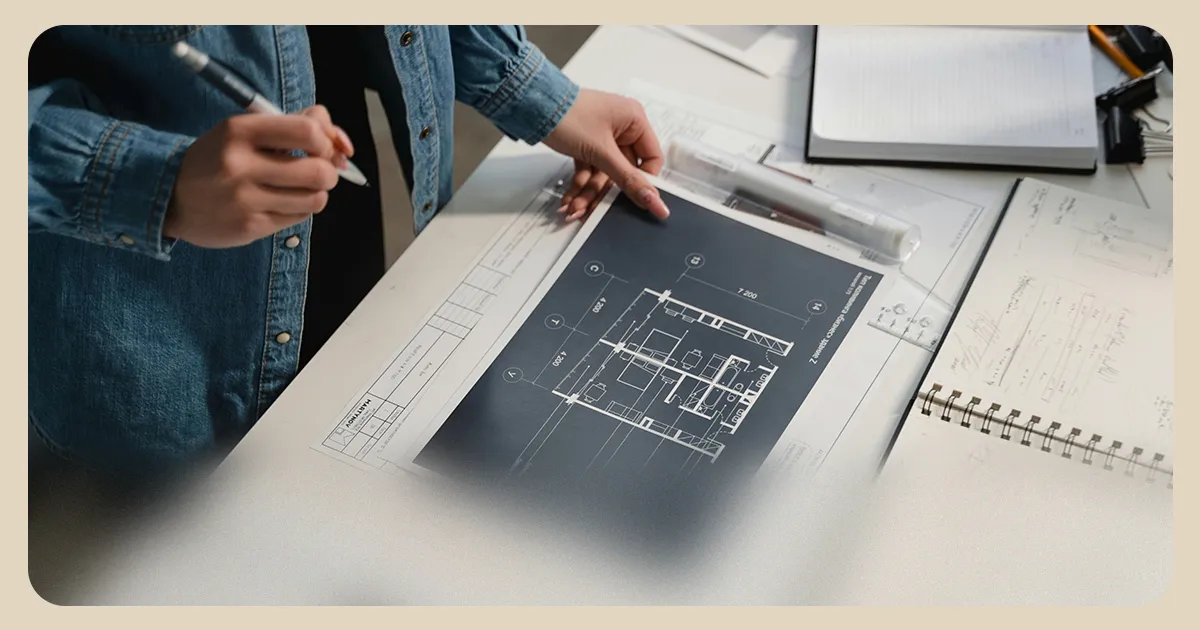
Detailed plans are key to documenting FF&E. They are a blueprint for arranging all furniture, fixtures, and equipment in the space. These documents must be accurate. Each element must work together. This will enhance the design’s beauty and usefulness.

The process begins with the development of gradient drawings showing the position of each F&E piece. These plans consider space, traffic flow, and each area’s use. They ensure the design boosts comfort and functionality. The design also considers access to natural light, views, and circulation paths.

Detailed foundation plans give clear instructions to installers. This reduces errors during implementation. 

Material and finishing specifications

Material and finishing specs are vital to the FF&E docs. They dictate the design’s look and function. This specification details the materials to use, like wood, metal, glass, and textiles. It also covers finishes, like paint, varnish, and upholstery.

The selection process begins with understanding the client’s vision and usage of each space. Durability, maintenance and environmental impact are key considerations when choosing materials. 

Finalize furniture and décor

Finalizing furniture and décor elements is a crucial step in the overall documentation of FF&E, marking the transition from design to implementation. This stage includes the final selections and confirmations of all pieces of furniture, decorative elements and accessories that will complement the interior.

The process begins with a review of initial design concepts against the refined specifications and budget. Each element is evaluated for its aesthetic contribution, functional role and service in the overall design narrative. 

conclusion

Mastering FF&E from schematic design to successful project completion requires careful planning, collaboration and attention to detail and all this is achieved with GHS. It helps you at all stages, from developing initial specifications to optimizing costs and finalizing choices, providing space that meets aesthetic and functional goals. 

We emphasize the importance of aligning with the client’s vision and maintaining budget compliance while embracing flexibility to adapt to evolving needs. By leveraging strong supplier relationships and detailed planning, potential challenges are addressed proactively, ensuring smooth implementation.

FAQ

Why is FF&E important in interior design?

FF&E brings the design to life, affecting the functionality, comfort and style of the space. 

At what phase does FF&E planning begin?

FF&E planning begins in the Schematic Design phase, where initial specifications are developed, setting the foundation for budget and design alignment.

How do you ensure FF&E choices align with the client’s vision?

Through detailed discussions and ongoing collaboration, we ensure all FF&E selections resonate with the client’s preferences and functional needs.

What role do suppliers play in the FF&E process?

Suppliers provide the materials and furnishings needed. Strong relationships with them ensure competitive pricing, quality, and timely delivery.

From Vision to Reality With GHS Hospitality Experts

At GHS Hospitality Experts, we know many homeowners and hotels have a vision for their space. They need professionals to make it a reality. Working with expert interior designers reduces the stress of remodeling. It also ensures that every step of the design process is done with precision and care.

Stage One: Vision Detection

Discovery Call: Your First Step

The first step in our design process is Discovery Call, a crucial foundation for transforming your space. This initial conversation allows us to understand your needs, preferences, and vision of your home. During the call, we’ll discuss your project’s scope, schedule, and budget, ensuring alignment from the start. It’s also an opportunity for you to see if GHS is the right fit for your project. We encourage you to share any thoughts, inspiration or concerns you may have. This dialogue helps us to tailor our design services to your needs. 

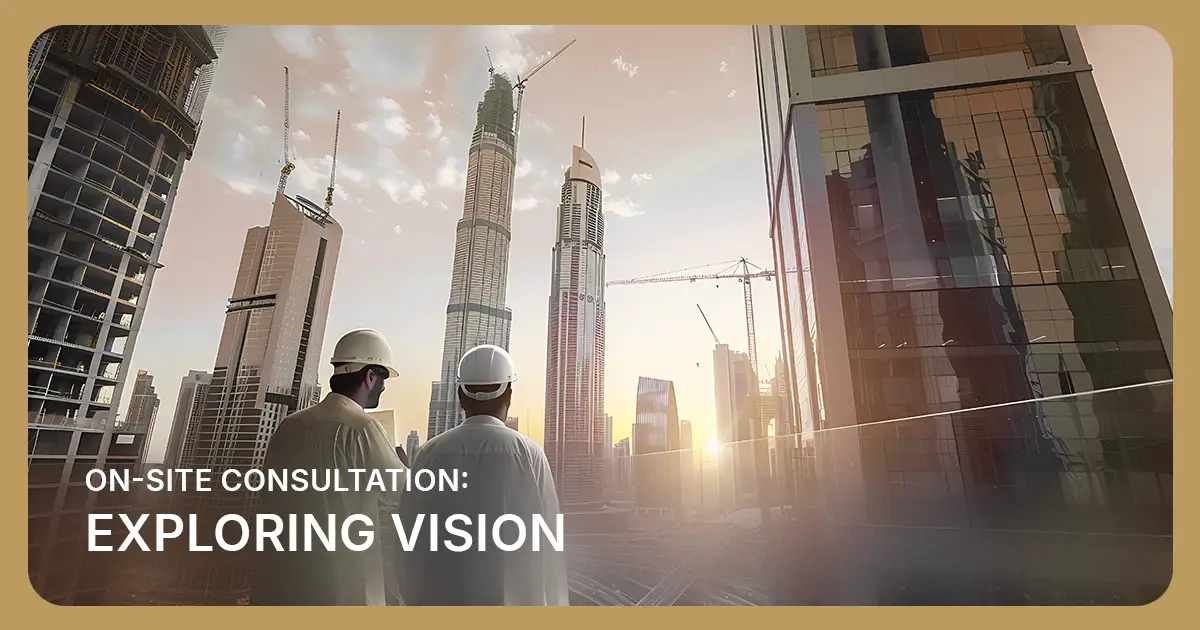
On-Site Consultation: Exploring Vision

GHS Hospitality Experts

After the discovery call, on-site consultation marks the official start of your project. This step is necessary because it allows us to know more about your space, and gain a deeper understanding of the environment and its potential. During the visit, we will explore your vision in more detail and discuss how to integrate functionality with your personal style. We will evaluate the current layout, lighting and design elements to ensure an appropriate approach. This consultation also includes defining the design process and contract details, ensuring transparency and clarity from the start. 

Stage Two: From Concept to Creation

Design Phase: Laying the Groundwork

The design stage is where your vision begins to take shape. This phase involves a site survey to understand our data and challenges. We create initial floor plan concepts that meet your goals and budget. We ensure a balance between practical and aesthetic needs. To boost cooperation, we often use joint paintings. They collect your ideas and feedback. This lets you take part in the creative process. Our team of designers focuses on creating plans. They will capture the essence of the desired result. This stage is crucial. It lays the design’s foundation. It ensures a smooth shift to a more detailed layout. 

Design Development: Bringing Details Together

The design development stage is where the details of your project are located accurately. At this stage, our team will finalize the blueprints. We will refine the initial designs based on your feedback and practical concerns. We work closely with contractors to review initial designs. This ensures all aspects align with project goals and limits. This stage also involves sourcing materials and compositions. We must choose options that meet both aesthetic and functional needs. Our interior designers coordinate bids from suppliers and contractors. They adjust the budget as needed to keep the project on track. This stage demands great attention to detail. Each design element must be executed to the highest standard.

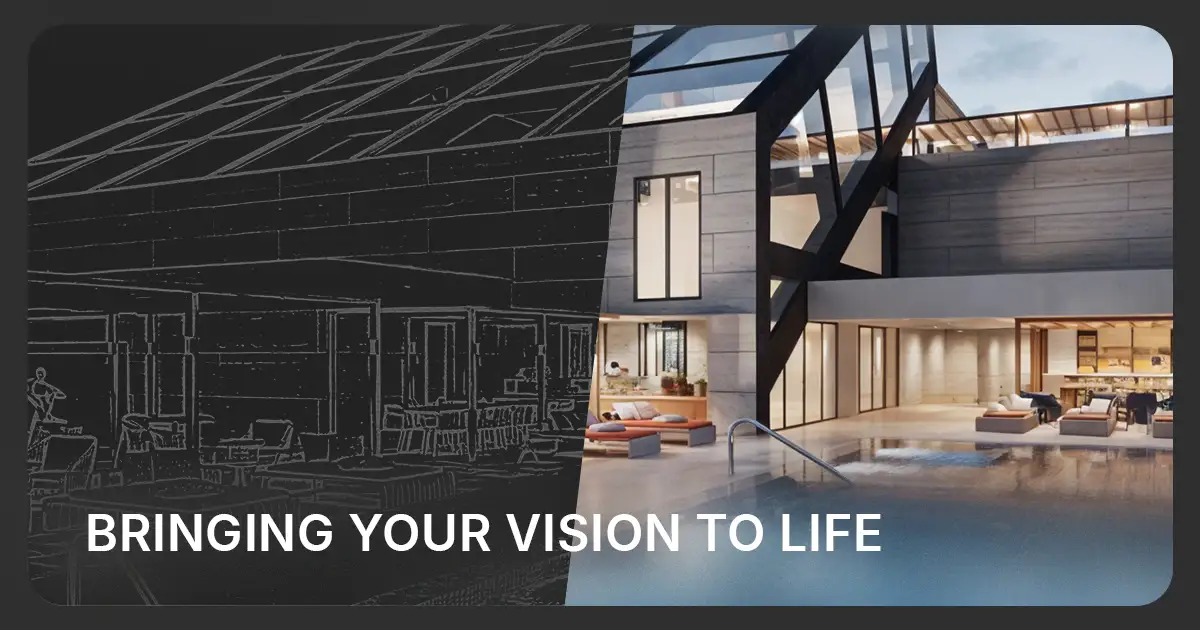
Bringing Your Vision to Life with With GHS Hospitality Experts

GHS Hospitality Experts

Final Design: Preparing for Execution

The final design phase is where preparation meets implementation, turning your overall plan into action. During this stage, we compile a detailed specification book for the contractor, ensuring that each design element is clearly documented and ready for execution. This includes obtaining all necessary permits and approvals, which is a crucial step in avoiding delays and ensuring compliance with local regulations.

We also order upholstery and finishing finishes, and select high-quality pieces that complement the overall design and meet your expectations. Our team coordinates closely with all parties to ensure a smooth transition to the construction and installation phases. By taking care of these logistical details, we aim to provide you with a stress-free experience. The final design phase is all about ensuring that everything is in place for smooth implementation, paving the way for the next step.

Installation & Styling: The Finishing Touch

Installation and design are the last steps in achieving your vision, as plans turn into reality. With construction complete, our team works carefully to install furniture and décor. This stage is all about attention to detail, ensuring that each piece fits perfectly into your space. We collaborate closely with you to make any final adjustments, ensuring the result aligns with your vision. This stage is where the personality of your space really comes to light, reflecting your unique style and preferences. 

Transforming your space with GHS is a journey that combines your vision and our expertise to create a home that truly reflects your style and functional needs. From the initial discovery call to the finishing touches in installation and design, every step in our design process is meticulously designed to ensure a smooth and stress-free experience. Our commitment to client success drives us to handle every detail carefully and meticulously, fostering a partnership built on trust and cooperation. Whether you are looking for professional interior design services for one room, a full-fledged house or a hotel, GHS is here to support you every step of the way. 

Know More about: Interior Design Strategies

FAQ

What should I prepare for the initial Discovery Call?

Prepare any ideas, inspirations, or specific requirements you have for your space. This will help us understand your vision and determine if we’re the right fit for your project.

How long does the typical design process take?

The timeline varies depending on the project’s scope and complexity. We provide a more detailed schedule after the on-site consultation, ensuring transparency throughout.

Do you offer post-completion support?

Yes, we offer support after project completion to address any concerns and ensure your satisfaction with the end result.